Architecture is the art and science of designing buildings and spaces that balance function, aesthetics, and structural integrity. It shapes how people live, work, and interact with their surroundings. Thoughtful architectural design not only enhances visual appeal but also improves usability, efficiency, and long-term value. From residential structures to large-scale developments, architecture plays a critical role in creating environments that meet both practical and human needs.
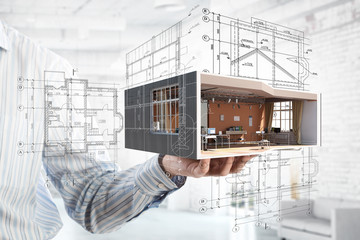
What Is Architecture and Why It Matters
Architecture involves the planning, design, and construction oversight of buildings and built environments. It considers spatial organization, materials, safety, and sustainability while responding to the needs of occupants. Well-designed architecture improves quality of life by promoting comfort, accessibility, and efficient use of space.
Beyond appearance, architecture influences functionality and performance. Design decisions affect lighting, ventilation, acoustics, and energy efficiency, making architecture essential to everyday experiences.
Core Elements of Architectural Design
Architectural design relies on a combination of creative vision and technical expertise. Each project requires careful consideration of multiple elements to ensure balance and cohesion.
Key architectural elements include:
- Spatial planning and layout
- Structural stability and safety
- Material selection and durability
- Natural light, airflow, and orientation
These components work together to create buildings that are both visually appealing and structurally sound.
The Role of Architecture in Residential Design
In residential projects, architecture focuses on creating comfortable, functional, and personalized living spaces. Effective residential design considers lifestyle needs, family dynamics, and future adaptability. Thoughtful layouts improve flow and maximize usable space while maintaining privacy and comfort.
Residential architecture often emphasizes:
- Efficient room organization
- Indoor and outdoor space integration
- Long-term flexibility and expansion potential
Well-planned homes enhance daily living while increasing property value over time.
Architecture for Commercial and Professional Spaces
Commercial architecture prioritizes functionality, efficiency, and brand identity through spatial design. Offices, retail spaces, and professional environments must support productivity, accessibility, and positive user experiences. Architectural planning ensures that spaces accommodate operational needs while remaining adaptable to change.
Key considerations in commercial architecture include:
- Optimized workflow and circulation
- Compliance with safety and accessibility standards
- Flexible layouts for future growth
These elements help create environments that support both business operations and user satisfaction.
Sustainable Architecture and Environmental Responsibility
Sustainability has become a central focus in modern architecture. Environmentally responsible design minimizes waste, reduces energy consumption, and promotes long-term efficiency. Sustainable architecture balances environmental impact with performance and durability.
Common sustainable strategies include:
- Energy-efficient building orientation
- Use of durable and low-maintenance materials
- Design solutions that maximize natural light and ventilation
These approaches benefit both occupants and the environment while supporting long-term cost savings.
The Importance of Architectural Planning
Planning is one of the most critical stages in architecture. Early design decisions shape the overall success of a project. Proper planning ensures that budgets, timelines, and functional requirements align before construction begins.
Architectural planning helps:
- Identify potential design challenges early
- Improve coordination between design and construction
- Reduce costly changes during later stages
Thorough planning leads to smoother execution and better outcomes.
Architecture and the User Experience
Architecture directly impacts how people experience spaces. Elements such as ceiling height, lighting, circulation, and material texture influence comfort and mood. User-centered design prioritizes functionality and accessibility, ensuring spaces are intuitive and welcoming.
Good architectural design enhances user experience by:
- Encouraging natural movement and flow
- Creating visually balanced and comfortable environments
- Supporting accessibility and inclusivity
These considerations make spaces more enjoyable and practical for everyday use.
The Relationship Between Architecture and Technology
Advancements in technology have transformed architectural design processes. Digital tools improve accuracy, visualization, and collaboration, allowing designers to explore creative solutions more efficiently. Technology also supports performance analysis and optimization during the design phase.
Modern architectural practices benefit from:
- Precise planning and modeling tools
- Improved coordination across design stages
- Enhanced ability to test design performance
Technology strengthens the connection between creative vision and practical execution.
Architecture and Long-Term Value
Well-designed architecture contributes to long-term value by ensuring durability, adaptability, and timeless appeal. Buildings that are thoughtfully planned require fewer modifications and maintenance over time. This longevity benefits owners, occupants, and communities alike.
Long-term architectural value is achieved through:
- High-quality materials and construction methods
- Flexible design solutions
- Balanced aesthetics that age well
Timeless architecture remains functional and relevant for years to come.
Choosing the Right Architectural Approach
Every project has unique requirements, and the architectural approach should reflect those needs. Factors such as purpose, scale, and budget influence design decisions. A tailored architectural strategy ensures that each space performs effectively while meeting aesthetic and functional goals.
Important considerations include:
- Intended use of the space
- Future expansion or adaptability
- Performance and maintenance requirements
Aligning design with these factors results in more successful projects.
Final Thoughts on the Power of Architecture
Architecture is a powerful discipline that shapes environments and influences daily life. By combining creativity, technical knowledge, and strategic planning, architectural design creates spaces that are functional, sustainable, and visually compelling. Whether residential or commercial, well-executed architecture enhances comfort, efficiency, and long-term value.
Investing in thoughtful architectural design leads to better-performing spaces and improved user experiences. Through careful planning and innovative solutions, architecture continues to define how spaces are built, used, and appreciated over time.